Incentives like febfast and Dry July have become more popular in recent years and after the hazy crazy that was 2020, I decided to be alcohol free for the whole of February 2021. I had spent that previous year juggling the facilitation of remote learning for my three primary aged children, running a copywriting business, and trying to keep the family all physically and mentally well. All this was with my husband working from home too, requiring a certain level of quiet, not to mention the addition of a bad-mannered cat who decided to come and live with us from the first lockdown.
Anxiety and alcohol
Though our circumstances were lucky compared to many, (we had our jobs and our good physical health), I struggled mentally most days. While my regular anxiety went through the roof and it did push me to get professional help, I also noticed I was drinking more alcohol than usual to cope. What used to be a couple of glasses on the weekend, and the occasional mid-week wine with pasta became a daily occurrence. It was never to the point that I couldn’t function as a parent, but nevertheless, it was a quiet, enduring habit that didn’t look like it was going to wane.
Identifying the problem
We often downplay our vices but seeing it as a problem was the first step. I remember one time after a particularly difficult day, looking at the clock to see if it was 5 o’clock yet – the time I had deemed acceptable to get the wine out. That was when I knew it had gone too far.
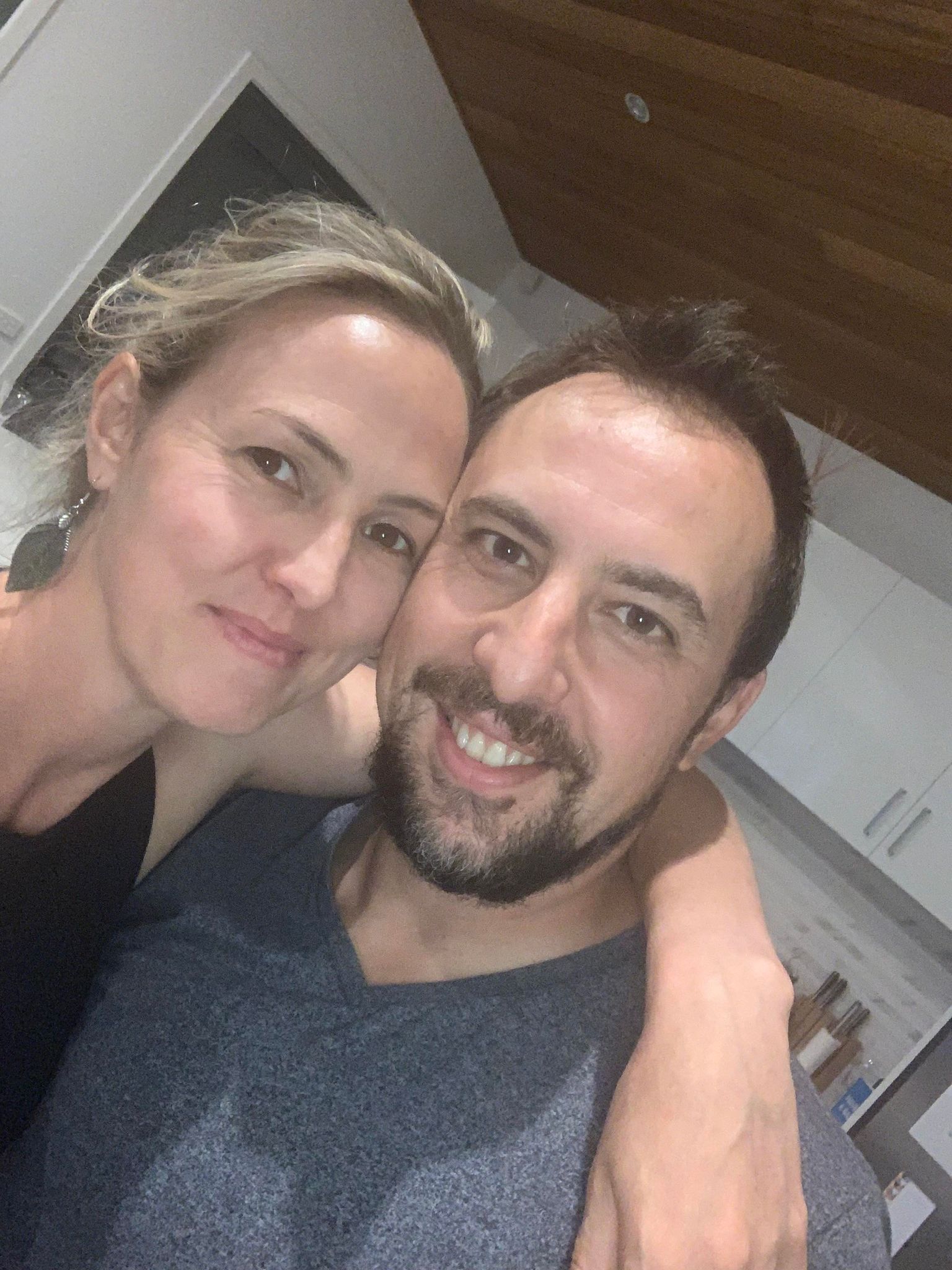
When I decide and commit to something, I am locked in. That was it: I was giving up alcohol for a month. My husband agreed to join in as well, which was wonderful as it is always nicer to undertake these things with a partner so that you can support (and grumble with) each other.
Pushing through the cravings
The first five days were the hardest for me but by that time the urge to drink was gone. We had prepared ourselves with our favourite non-alcoholic beverages. I had lemonade, non-alcoholic ciders, and a list of mocktails to try if we really felt the urge for a fancy drink. I also found that at night time, a hot herbal tea gave me the same comforting feeling as a red wine. The effects on my body after that first week alcohol free were obvious. I was sleeping better. I was waking up earlier and feeling more refreshed. Then there was the energy; it seemed to reignite itself in me. I felt like going for a run, which I hadn’t done regularly for years – so I did. All of these effects improved my mood too.
The impact of societal expectations
The times when being alcohol free was most tricky was in social settings because of other people’s expectations. Being alcohol free for a pub dinner and turning down a wine at gatherings made people take notice. Some people pushed back a little, or a lot, but others confided that they probably should have a break too. The engrained traditions of when we drink, like for my husband, after his weekly tennis match, were the hardest, because you feel like you don’t fit in anymore. And it is obviously harder to not drink when others around you are.
My tips
- Success in numbers: Do it with a partner or friend. These things are always easier with someone going through it with you.
- Be accountable: Sign up to do FebFast or Dry July. It might make you more accountable, could absolutely inspire others to do the same, and if you raise money for a good cause, that is also amazing!
- Be prepared: Have some of your favourite non-alcoholic drinks on hand and try some new ones (lemonade, soda water with lime, fresh juice, fancy teas, ginger beer). If you want to drink something that seems more like an alcoholic drink, I recommend Seedlip, which we made mocktails from which was gin-like. Otherwise, there are many more non-alcoholic wines and beers available than ever before at your local supermarkets.
Know your habit
We did our fourth FebFast this year, and I’ve noticed it has become easier each time. We know what it involves. We want to feel better, get fitter and be healthier. The second, third and fourth times we weren’t coming from as strong a habit, now it is more of a check in with ourselves and our health. So what have I learned overall after an alcohol fast? It is good to know what your relationship with alcohol is and challenging yourself is always an eye-opening experience. If you have ever considered taking a break from alcohol, I would encourage you to give it a try. You have nothing to lose and everything to gain, even if you think you didn’t need it in the first place.
For more information on Dry July and to sign up head to: www.dryjuly.org.au
For more information on febfast and to sign up head to: www.febfast.org.au
If you would like assistance with reducing your alcohol intake visit Lifeline’s website: www.lifeline.org.au


 Kat Buttigieg